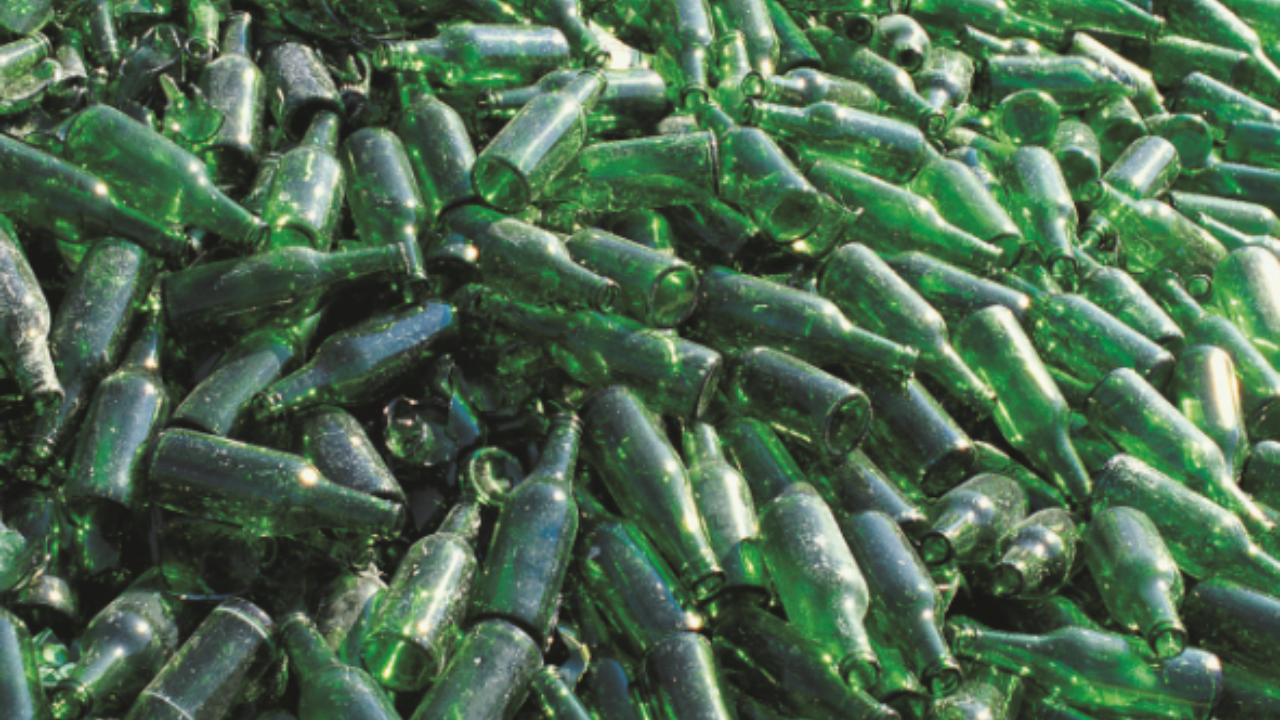
Three ways glass recycling benefits the environment Johns Manville continues to prioritize the use of post-consumer recycled glass at our manufacturing plants. The recently released Johns Manville 2025 Sustainability Report shows that in 2025, recycled glass cullet accounted for 17% of fiberglass products. While current market conditions for post-consumer materials are challenging, due to sourcing constraints and costs, JM understands the importance of using recycled materials.Glass is an extremely desirable recycled material because it’s endlessly recyclable. Unlike many types of recyclable materials, including many plastics, glass can be recycled again and again without any loss in quality or purity. Another fact that makes glass a desirable material to work with is that it’s made from readily available domestic materials, such as sand, soda ash, limestone and “cullet,” the industry term for furnace-ready recycled glass. Glass recycling can help the environment in multiple ways. Here are three of the most important:
Reduce the amount of waste going to landfills
As a company, Johns Manville is committed to reducing waste. Between 2021 and 2025, JM successfully reduced waste intensity by 12%, compared to a 2020 baseline, exceeding the goal of using 2 billion pounds of recycled materials in our processes. This was achieved by improving production efficiency, recirculating internal scrap back into our operations and selling scrap to third parties. Now we have a new target to further reduce waste intensity by 10% by 2030.
Using recycled glass is part of JM’s plan for sustainability because it contributes to the circular economy and reduces waste. Recycled glass comes primarily from the waste streams of large cities, with the majority coming from glass beverage bottles used in restaurants and other food service facilities. But consumers also contribute to the pool of recycled glass used by manufacturers.
Recycled glass takes less energy to melt
A batch of glass can be made with various percentages of virgin raw materials and post-consumer recycled cullet. The first step in the glass manufacturing process is to melt these materials in a furnace. It typically takes 20-30% more energy to melt the virgin raw materials than it does to melt cullet, according to the Glass Manufacturing Industry Council. This means when a batch is made from higher percentages of cullet, it helps save energy and reduce emissions – another priority for JM.
Fiberglass insulation saves energy
Proper insulation in homes and buildings makes them more energy efficient, and many building insulation products are made from fiberglass. States and cities continue to adopt stricter building codes that require greater energy efficiency measurements. A study by Energy Conservation Management, Inc., shows that a typical pound of insulation saves on average 12 times as much energy in its first year as was used to produce it. So over its lifetime, one pound of insulation saves hundreds of times the energy used to make it. Fiberglass insulation made using recycled glass continues to help the environment long after it’s manufactured.