The Sweet Spot of Micro Fiberglass Filtration Media: Proven Safety, Proven Performance
May. 18, 2026

Air filtration has always been defined by core performance: particle efficiency, pressure drop, and lifetime. But in recent years, another question has become just as important and critical: How safe are the materials inside the filter itself?
Manufacturers, OEMs, and system operators want clear science-based answers - especially when fine fibers are involved.
This is exactly where biosoluble micro fiberglass makes a difference. Biosolubility describes how specific glass chemistries dissolve naturally in the body if very fine fibers are inhaled. In other words: the glass is engineered to be safe by chemistry, not by chance.
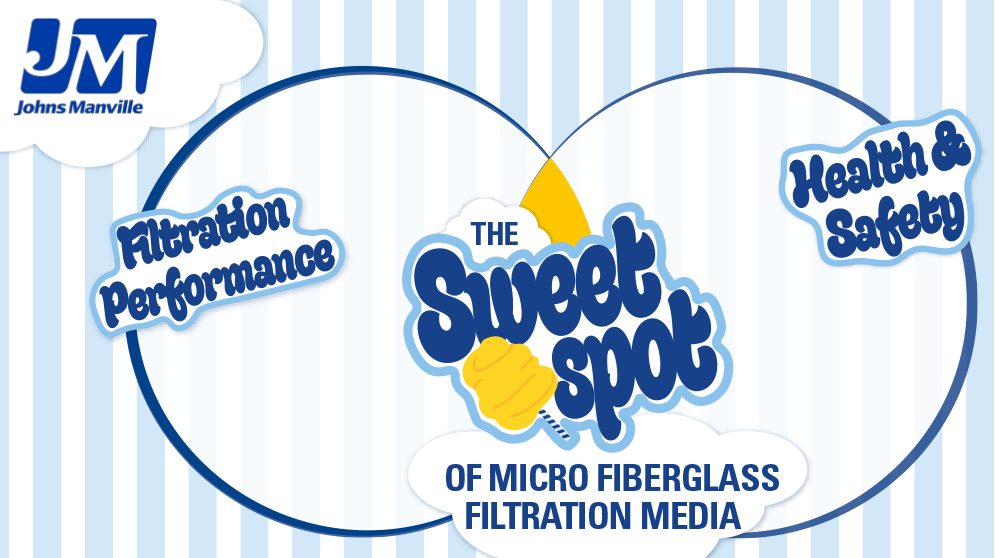
And when this safety foundation meets the stable, high efficiency performance micro fiberglass is known for, you reach what we at Johns Manville call the Sweet Spot of Micro Fiberglass.
It’s the point where exceptional health protection and filtration performance come together - and JM has been building its micro fiberglass portfolio precisely in this space for more than 30 years.
To understand why biosoluble glass plays such an important role today, it helps to look atthe fundamentals.
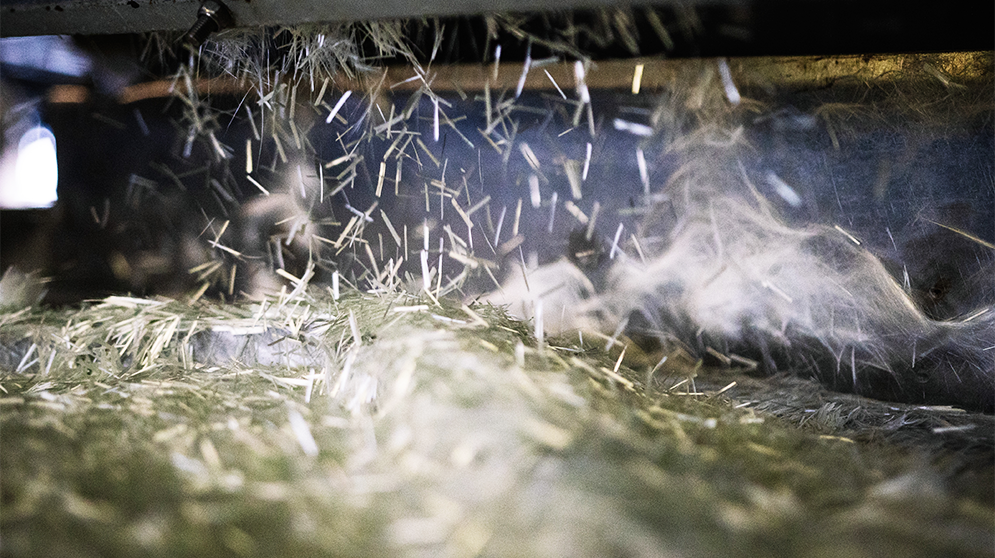
Very fine fibers can become respirable depending on their diameter, length, and aspect ratio. According to the World Health Organization definition, respirable fibers are those smaller than 3 µm in diameter, longer than 5 µm, and with a length‑to‑diameter ratio of at least 3:1. If these fibers are made from a glass chemistry that is not biosoluble, they may persist in the lungs where they can cause inflammation, which can lead to other health issues. That’s why the EU’s CLP Regulation and the U.S. OSHA Hazard Communication Standard require manufacturers to either demonstrate, through established scientific testing, that their specific chemistry is biosoluble or to label products containing those fibers as a potential carcinogen.

This is where Note Q to the CLP Regulation becomes essential. It defines recognized scientific test methods - including short-term inhalation, intratracheal instillation, or long-term studies - that can confirm a chemistry is biosoluble. If not, the CLP Regulation requires a warning label to be applied to any product containing fibers that have not passed Note Q testing, if those fibers arepresent above 0.1 weight percent. The U.S. OSHA Hazard Communication Standard includes similar requirements for hazard classification and communication.
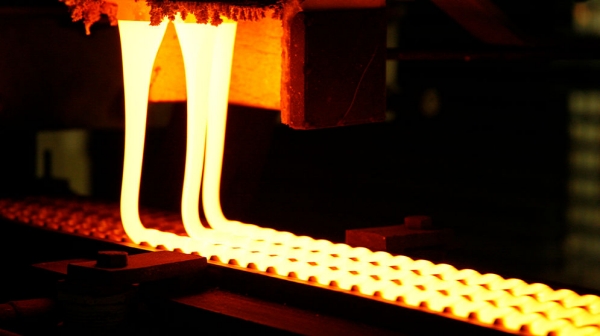
Johns Manville long ago performed this testing for the glass chemistries used in our microfiber glass filter media and met the Note Q criteria, in alignment with applicable requirements under the U.S. OSHA Hazard Communication Standard. We keep the chemistry consistent to ensure the fibers in our filter media remain biosoluble.

The link between glass chemistry and biosolubility is well established. We’ve built our entire approach on that science – not assumptions.
Christian Hassmann
Business Director, Filtration & Separation
For customers, this means clarity: the glass chemistry used in JM’s Evalith® micro fiberglass media is scientifically proven to be biosoluble.
Once safety is clear, the next question is straightforward: How does the material perform?
Because in filtration, performance is never optional.
This combination of safe chemistry and reliable performance is the essence of the Sweet Spot - a carefully engineered balance of two equally important requirements.
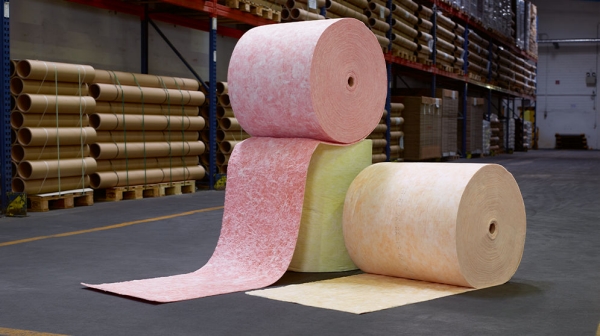
Micro fiberglass media is uniquely suited for high-efficiency mechanical filtration thanks to:

The key is stability. With micro fiberglass, the performance you measure on day one is the performance you see later on. That consistency matters to our customers.
Roger Eckrich
Commercial Leader Europe and Asia, Filtration & Separation
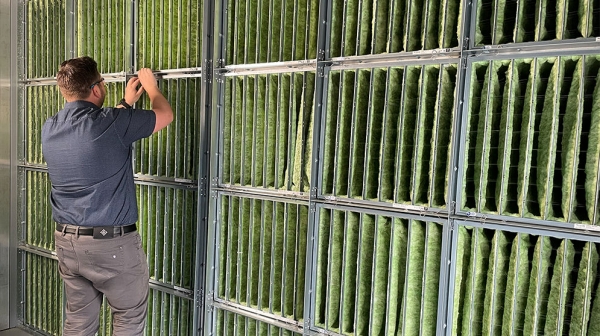
This stability is increasingly critical in modern applications like industrial HVAC, cleanrooms - and especially AI data centers, where even minor declines in filtration performance can directly impact operations.
Discussions about fiber behavior, including shedding, still appear in some corners of the market - often based on impressions from decades ago. Johns Manville’s Evalith® micro fiberglass media today is the result of continuous improvement and strict process control.
Today’s JM micro fiberglass media features:

Our Evalith® micro fiberglass media is manufactured with a high level of precision and consistency. The combination of controlled fiber structure, advanced binders, and stable processes creates a highly reliable material for today’s filtration requirements.
Thomas Miowsky
Global Portfolio Manager, Filtration & Separation
What matters is selecting the right material for the right environment - and for high efficiency mechanical filtration, low energy consumption during use, and high dust holding capacity for a long filter lifetime JM’s Evalith® micro fiberglass media remains the benchmark.
Around the world, filtration manufacturers may encounter glass media that looks similar to established JM Evalith® micro fiberglass but lacks clarity on biosolubility. Does your supplier have documentation showing its fiber chemistry has passed Note Q testing?
Not knowing this can create serious risks, not only under CLP, but also for employees, customers, and end users.

Clarity and transparency are essential. Customers need to know exactly what they are working with – and what it means for their teams and their customers.
Jörg Meier
Product Development Leader, Filtration & Separation
JM’s approach: be transparent, responsible, and support customers with science-driven information.
Everything we do in our micro fiberglass portfolio is built around one idea:
The best filtration solutions deliver both safety and performance - not one or the other.
This is the Sweet Spot of JM’s Evalith® Micro Fiberglass:

When customers choose JM micro fiberglass, they’re choosing a balanced solution: safe by chemistry, strong in performance, and supported by decades of experience. That’s what the Sweet Spot is all about.
Steve Westbrook
Commercial Leader North America, Filtration & Separation
As air filtration becomes more critical across industries, JM’s biosoluble Evalith® micro fiberglass provides a dependable foundation for filters that must perform - and protect.
If you’d like to learn more about our biosoluble Evalith® micro fiberglass technologies or discuss your application needs, our team is ready to support you.
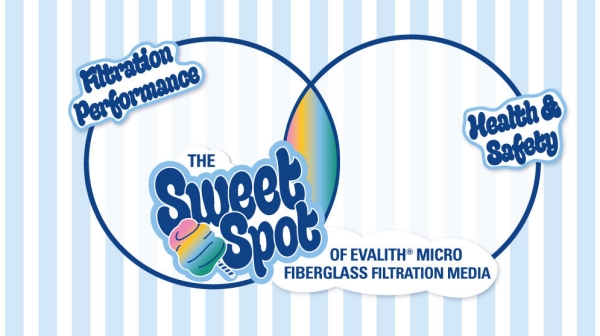
JM’s biosoluble Evalith® micro fiberglass represents the ideal intersection of safety and performance in modern air filtration. Its engineered glass chemistry ensures biosolubility and compliance with EU CLP Note Q and the U.S. OSHA Hazard Communication Standard - providing verified health safety even for very fine, respirable fibers.
Simultaneously, JM’s Evalith® micro fiberglass filter media delivers stable, high‑efficiency mechanical filtration with low pressure drop, long service life, and consistent performance over the entire filter lifetime. Advanced binder systems, precise process control, and decades of manufacturing expertise ensure that the media performs reliably in demanding applications - from industrial HVAC to cleanrooms and emerging AI data centers.
Johns Manville’s biosoluble Evalith® micro fiberglass offers a trusted, science‑based solution for organizations that require both uncompromising safety and uncompromising performance.