AI and Sustainability Take Center Stage at SPE Thermoset TOPCON 2026
Jun. 02, 2026

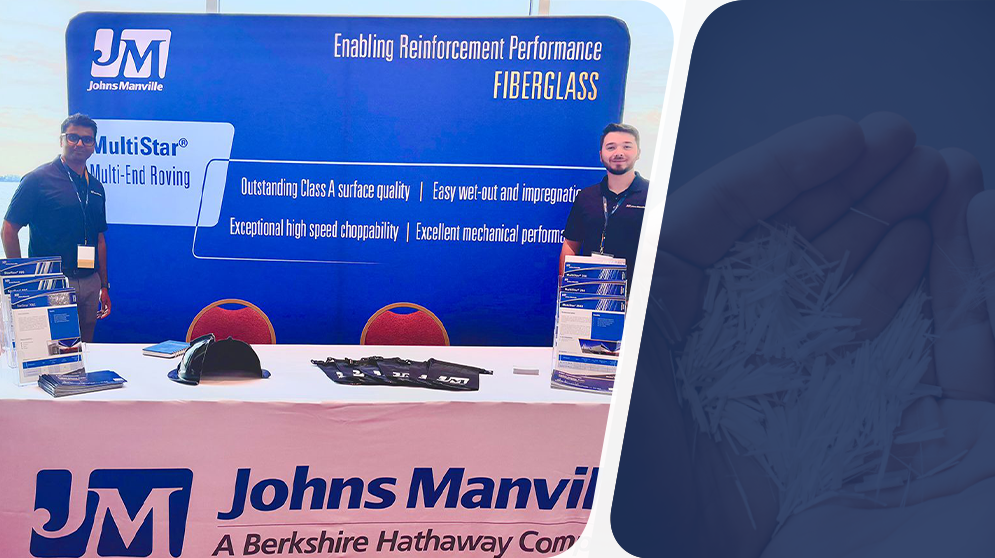
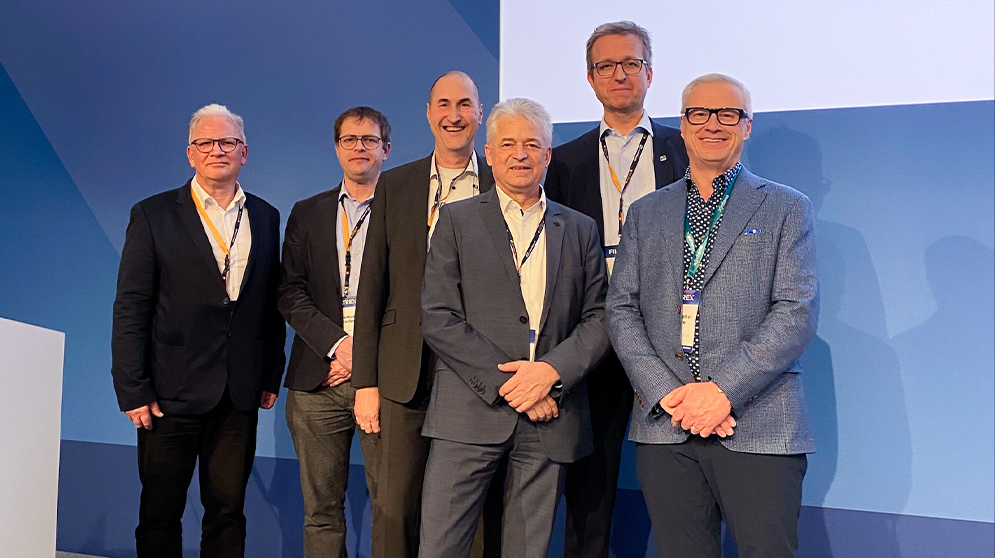
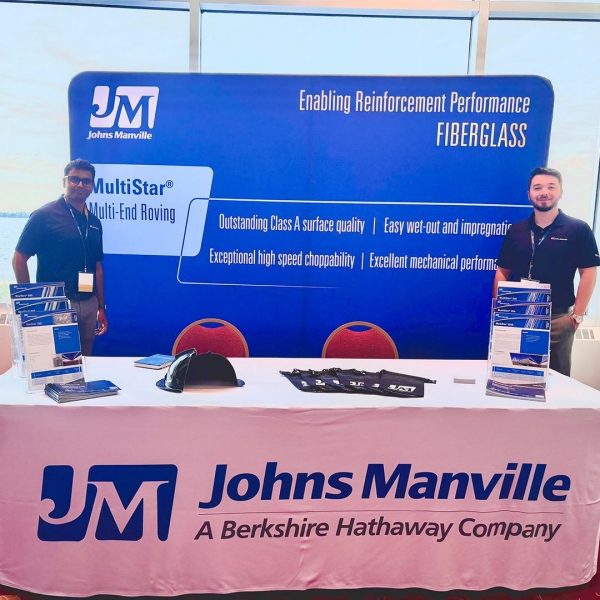
The 2026 SPE Thermoset TOPCON Conference in Madison, Wisconsin highlighted how quickly the thermoset composites industry is evolving. Digitalization and sustainability are no longer separate priorities - they are increasingly working together to shape how materials are developed, manufactured, and applied. Across sessions, the focus was on practical approaches to accelerating innovation, improving efficiency, and meeting growing environmental and regulatory expectations.
Artificial intelligence (AI) and digital transformation were recurring themes throughout the conference. Discussions and technical sessions showed how AI is moving beyond early experimentation into broader industrial use.
Companies are increasingly leveraging AI-driven tools to:
The concept of “Industry 4.0 laboratories” continues to gain traction. With clean data infrastructures, advanced analytics, and automation, companies are achieving faster and more precise decision-making in both R&D and production.
For customers, this translates into shorter development timelines, more reliable products, and greater confidence in performance outcomes.
What this means for JM:
As a trusted partner in engineered materials, Johns Manville is well positioned to support this transformation. By combining deep product expertise with strong technical service and collaboration, JM helps customers translate data-driven insights into scalable, real-world solutions. Looking ahead, integrating digital capabilities into material development and customer engagement will further strengthen JM’s value proposition.
Sustainability was equally prominent - and noticeably more implementation-focused than in previous years. The conversation has shifted from ambition to execution, with clear progress in material innovation and process improvements.
Key developments included:
Sustainability was consistently considered alongside performance and cost, reflecting customer demand for balanced solutions that deliver across all three dimensions.
In parallel, manufacturers are working to reduce their operational footprint through process optimization, waste reduction, and improved energy efficiency.
What this means for JM:
Sustainability and compliance are core to JM’s strategy and product development. With a strong focus on responsible raw materials, efficient manufacturing, and regulatory alignment, JM supports customers in achieving their environmental goals without compromising performance. Our global manufacturing footprint across Europe and North America also strengthens supply security - an increasingly important factor in sustainable sourcing strategies.
While AI and sustainability dominated the agenda, advancements in performance and processing remain a critical driver of innovation.
Technical sessions highlighted:
These developments are particularly relevant for industries such as transportation, construction, and electronics, where weight reduction, durability, and reliability are key priorities.
The takeaway is clear: performance remains essential. The opportunity lies in developing materials that combine high performance with sustainability and manufacturing efficiency.
What this means for JM:
JM’s focus on high-performance glass fiber solutions and engineered materials directly supports these needs. Through close collaboration with customers and a deep understanding of application requirements, JM delivers tailored solutions that improve efficiency, durability, and overall system performance - always with a strong emphasis on long-term value.
TOPCON 2026 reinforced that AI-driven innovation and sustainability-focused material development are becoming increasingly interconnected.
Companies that successfully combine these elements will be better positioned to:
For Johns Manville, these insights reinforce a clear direction forward:
Above all, the event highlighted the importance of collaboration across the value chain - from raw material suppliers to manufacturers and end users.
At JM, we remain committed to going the #JMextraMile - bringing together expertise, innovation, and partnership to help our customers succeed in a rapidly evolving market.