


The Sweet Spot of Evalith® Micro Fiberglass Filtration Media

Where proven biosolubility and high-efficiency filtration performance meet


In modern air filtration, success depends on balancing two essential requirements: reliable filtration performance and proven material safety. As expectations continue to rise, both have become critical to ensuring product quality and long-term operational stability.

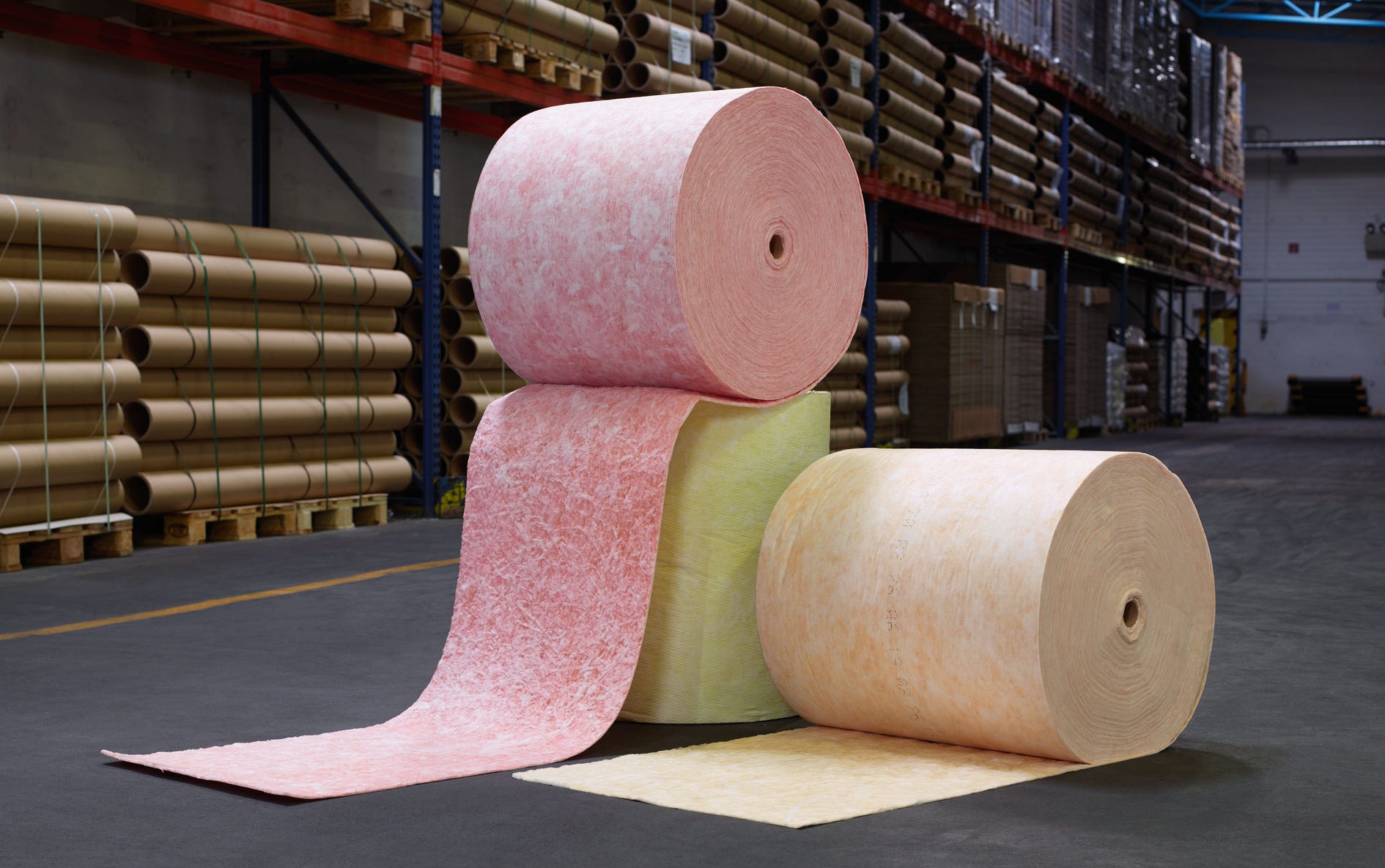
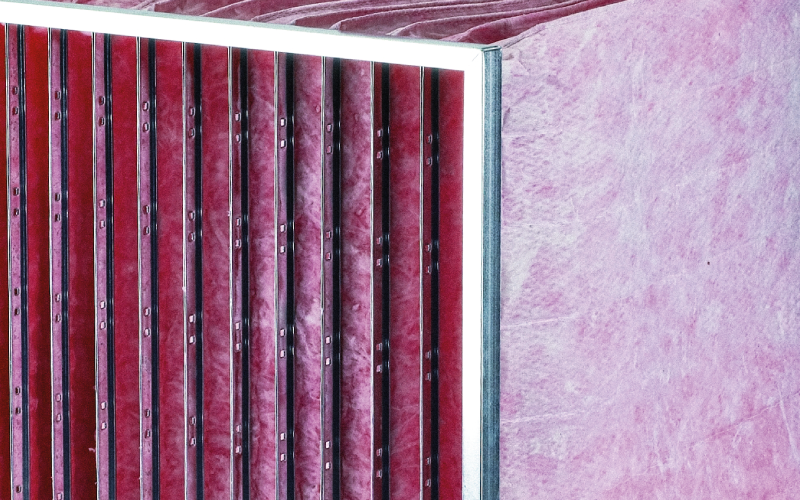
Johns Manville’s Evalith® micro fiberglass  is engineered to meet the diverse requirements of modern filtration applications. Built on decades of expertise in glass fiber technology, it combines consistent, high-efficiency filtration performance with a clearly defined and scientifically validated safety profile.

Composing Products


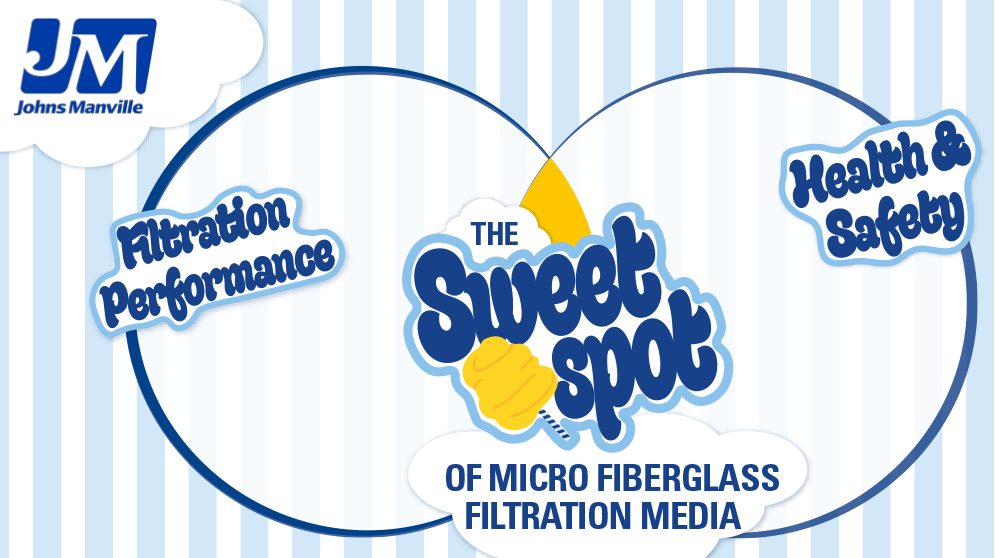
Sweet Spot


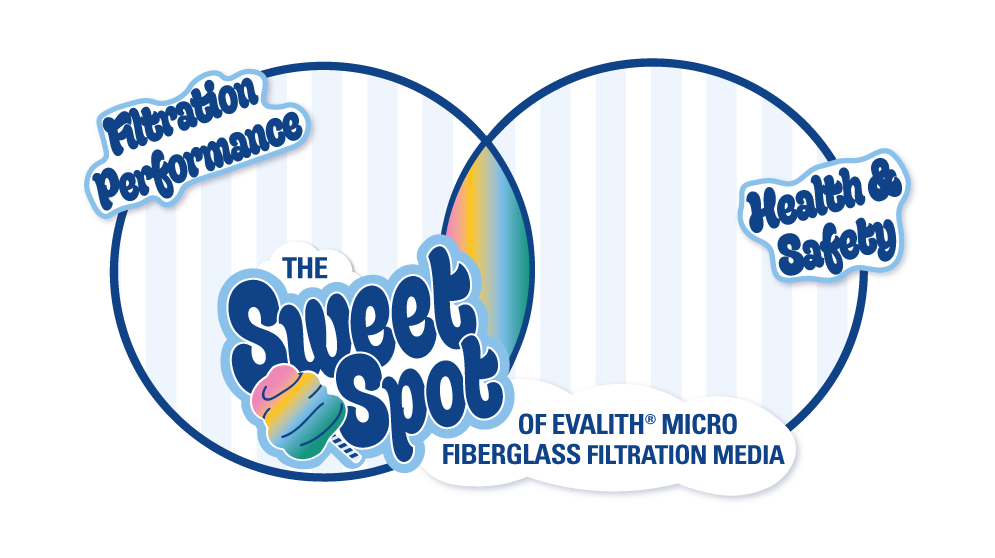
This balance of proven safety and dependable performance defines the Sweet Spot of Evalith® Micro Fiberglass Filtration Media.


Filtration Performance

In filtration, consistent performance remains essential. JM micro fiberglass is engineered to deliver stable, mechanical filtration performance throughout the entire filter lifetime.

Key characteristics include:

  • High efficiency at low pressure drop 
  • Mechanical performance independent of electrostatic charge 
  • Stable efficiency throughout the entire filter lifetime 
  • Reliable performance in demanding environments 
  • Effective capture of fine and submicron particles 


This stability is critical in applications such as industrial HVAC systems, cleanrooms, and high-performance environments including data centers.

Health & Safety

In addition to performance, material safety is a key requirement in modern filtration.
JM micro fiberglass is based on biosoluble glass chemistries, designed to reduce potential long-term persistence of respirable fibers.

Key characteristics include:

  • Biosolubility validated according to EU CLP (Note Q)
  • Scientifically proven non-biopersistent behavior
  • Transparent and verifiable documentation
  • Clear support for compliance and product safety standards


This science-based approach ensures a reliable safety profile, providing clarity across the value chain and supporting responsible filtration solutions.

Frequently Asked Questions

Biosoluble micro fiberglass refers to glass fibers engineered with specific chemistries that allow very fine fibers to dissolve naturally in the body if they are inhaled.

From a health perspective, the behavior of fibers in the body becomes relevant when they fall into the respirable range. According to the World Health Organization (WHO), respirable fibers are defined as fibers typically smaller than 3 µm in diameter, longer than 5 µm, and with a length‑to‑diameter ratio greater than 3:1. Fibers meeting these criteria can reach deep into the lungs, making their biological behavior important.

Biosolubility addresses this by design: it describes how certain glass chemistries are formulated to avoid long‑term persistence in the body. This is particularly important in applications where fine glass fibers are intentionally used for functional reasons, such as performance, efficiency, or durability. In contrast, some fine glass fibers used in the market are not biosoluble, even though they may look similar.
Biosolubility is relevant wherever very fine fibers are used and may fall into the respirable range. In such cases, material safety depends not only on performance, but also on how fibers behave in the body over time.

In air filtration, glass microfibers are intentionally used to achieve high and stable filtration efficiency. Biosoluble micro fiberglass addresses material safety through chemistry, supported by scientific verification - without compromising performance. 

Johns Manville has produced micro fiberglass for air filtration for more than 30 years, combining proven biosolubility with long‑term filtration reliability.

No. Biosolubility depends entirely on the specific glass chemistry used.

Not all glass fibers used in air filtration meet biosolubility criteria, and appearance alone does not indicate whether a material is biosoluble or bio persistent. In addition, not all non‑biosoluble materials on the market are clearly or correctly labeled, which can create uncertainty for filter manufacturers and end users. Verified documentation and transparency are therefore essential.

Biosolubility is verified through recognized scientific test methods defined in regulatory frameworks such as the EU’s CLP Regulation (Note Q).

These tests evaluate how fibers behave in biological environments over time, including how quickly they dissolve. Verified testing provides objective, science‑based confirmation that a specific glass chemistry is not bio persistent. 

“Safe by Chemistry” means that safety is built directly into the glass formulation itself, rather than relying on assumptions, fiber size alone, or downstream controls.

At Johns Manville, this approach has been firmly established for more than 30 years. Our biosoluble micro fiberglass media is based on specific glass chemistries that have been scientifically tested and proven - providing customers with long‑term confidence in both safety and compliance. 

No. When properly engineered, biosoluble micro fiberglass delivers high, stable mechanical filtration performance across the entire filter lifetime.

Safety and performance are not opposing requirements. The most effective filtration solutions are designed to deliver both consistently and reliably.

In many air filtration applications, consistent performance over time is critical.

Micro fiberglass media delivers mechanical filtration efficiency that does not rely on electrostatic charge, helping maintain stable efficiency throughout the filter’s service life. This stability is particularly important in demanding environments such as industrial HVAC systems, cleanrooms, and data centers.

Transparent communication allows filter manufacturers, OEMs, and operators to clearly understand what materials they are using - and what that means for safety, compliance, and performance.

When biosolubility is clearly documented and supported by recognized testing, it reduces uncertainty and supports responsible decision‑making across the filtration value chain.

JM’s biosoluble micro fiberglass filtration media is manufactured in Johns Manville facilities in Europe and North America.

Local manufacturing helps ensure consistent product quality, reliable supply, and alignment with regional regulatory expectations.

The Sweet Spot describes the ideal balance between proven material safety and long‑term filtration performance. 

It is the point where biosoluble chemistry, stable mechanical efficiency, advanced manufacturing, and transparent communication come together - delivering filtration solutions that protect both people and processes.

For more details on biosoluble micro fiberglass technologies and application-related considerations, additional information and technical expertise are available.